Learning Social Influence
with Unobserved Mechanisms
The Santa Fe Institute
October 21st, 2026
Hi everyone! I’m Phil Chodrow
Prof. of CS at Middlebury College, a small liberal arts college in Vermont. I teach courses in discrete math, machine learning, data science, and network science.
Junior folks: ask me about #LiberalArtsLife if you’re curious.
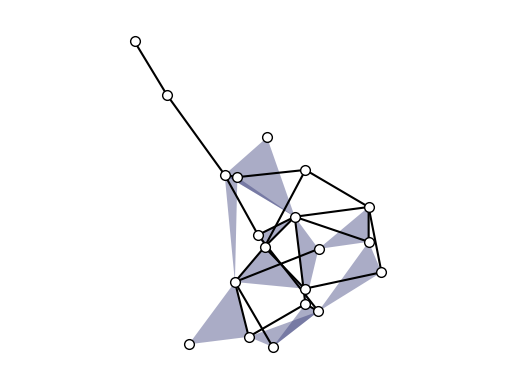
I like aikido, tea, my cats, being outside, hypergraphs, and math models of social systems.


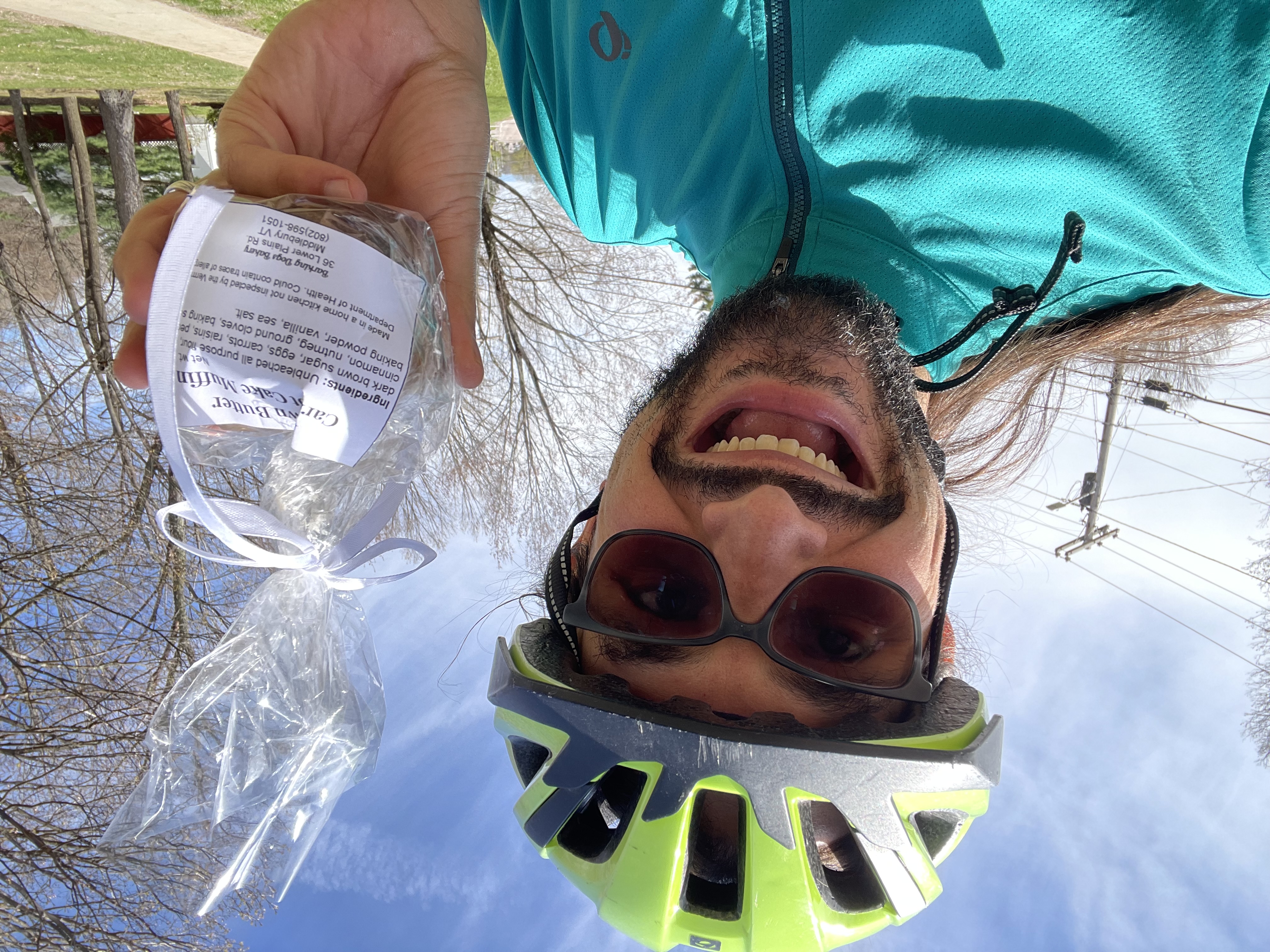
From 0-5, how’s this talk?

“So, how far did the light move?”
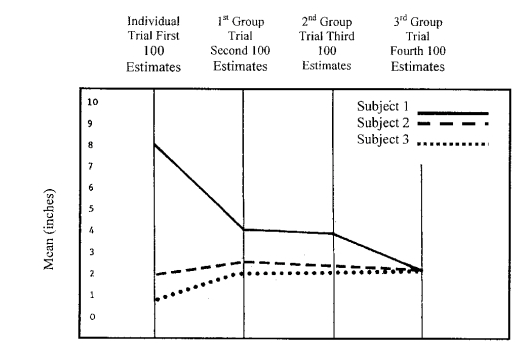
Sherif (1935)
“So, how far did the light move?”
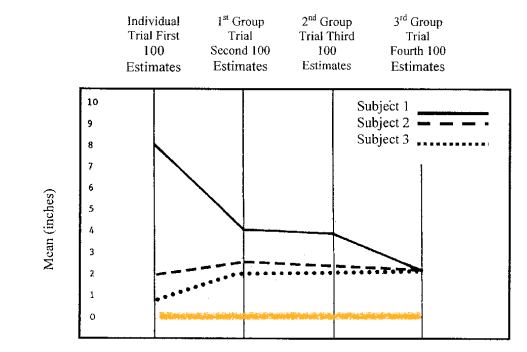
Sherif (1935)
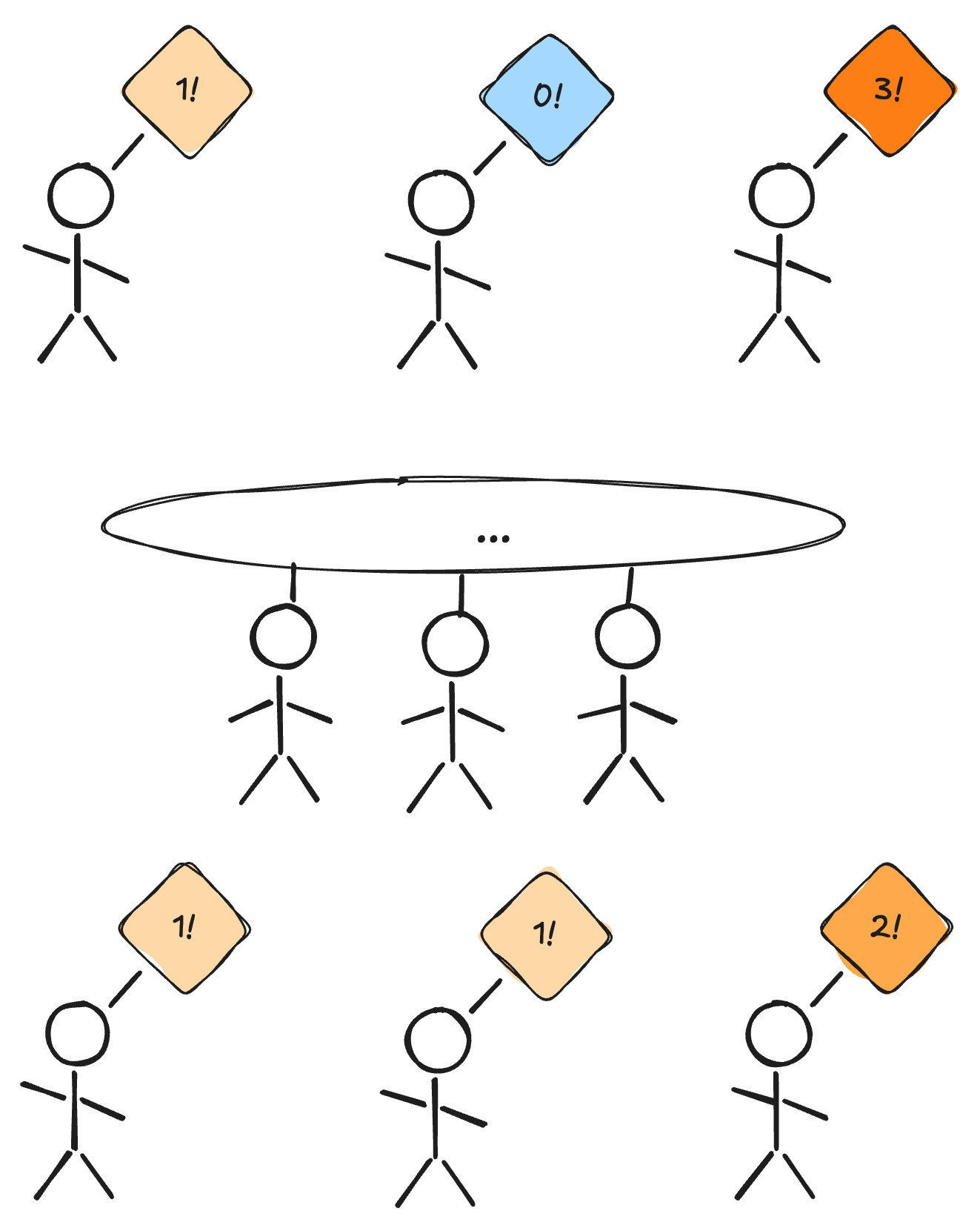
Towards Formalization: Which Other People?
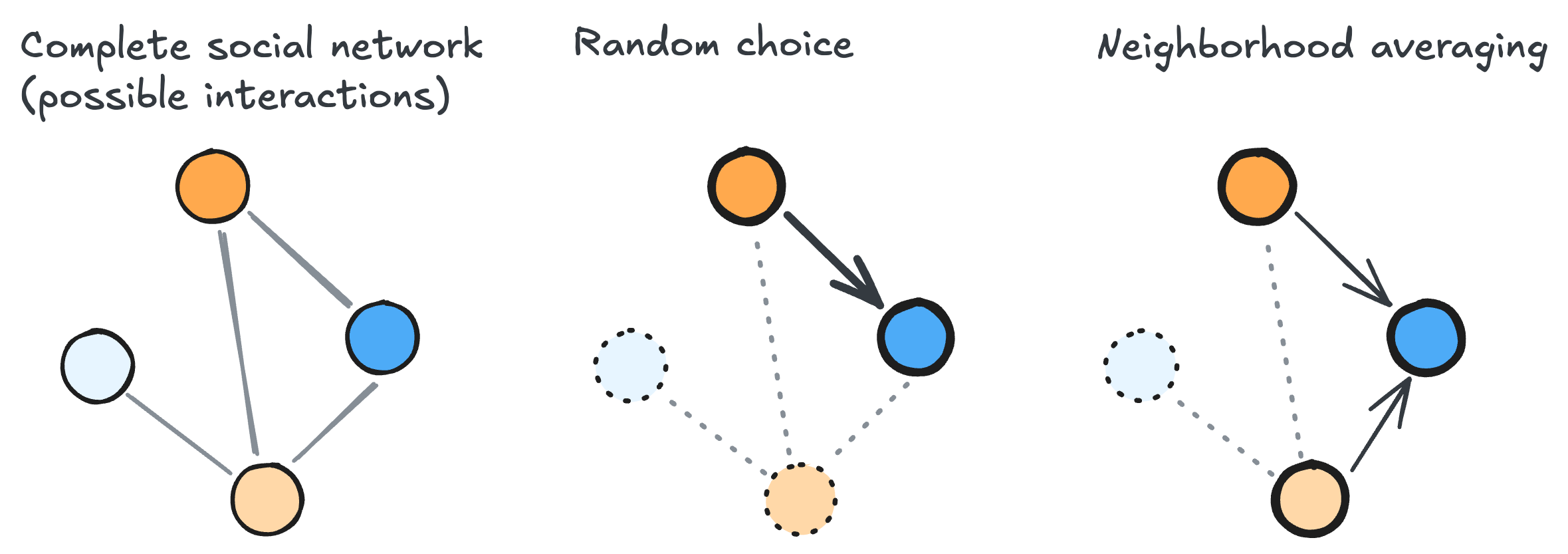
Towards Formalization: What Kind of Change?
Discrepancy
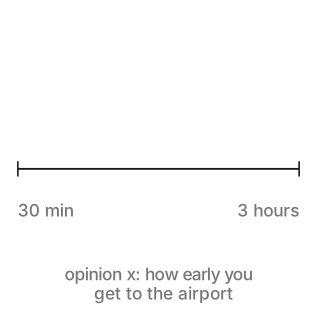
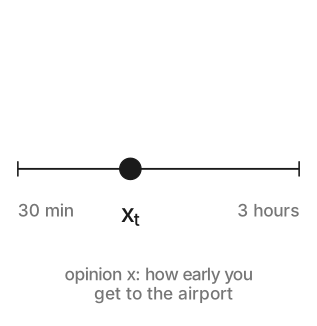
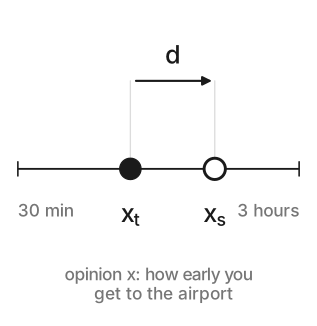
0 inches 10 inches Opinion x: how much
has the dot moved?
\(x_t\): opinion of the target \(x_s\): opinion of a source at discrepancy \(d\)
Kernel
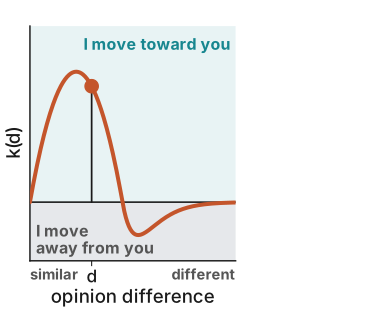
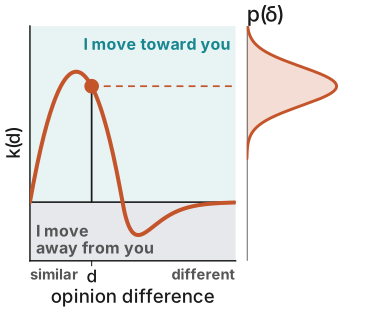
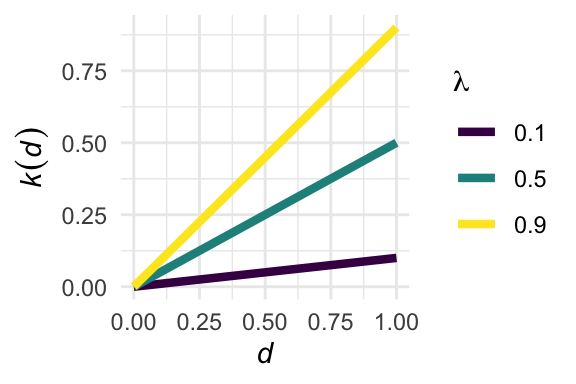
The kernel \(k(d)\) sets how far the target moves
\(\delta = k(d) + \text{noise}\)
Outcome
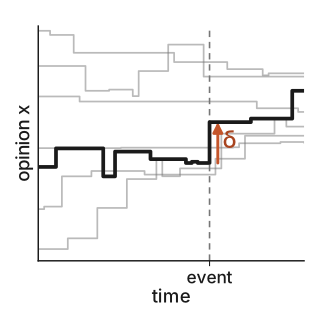
The target’s opinion moves by \(\delta\)
Slide h/t Will Thompson
A first model: random neighbor choice and linear influence
DeGroot or linear kernel (DeGroot 1974): \(k(d) = \lambda d\).
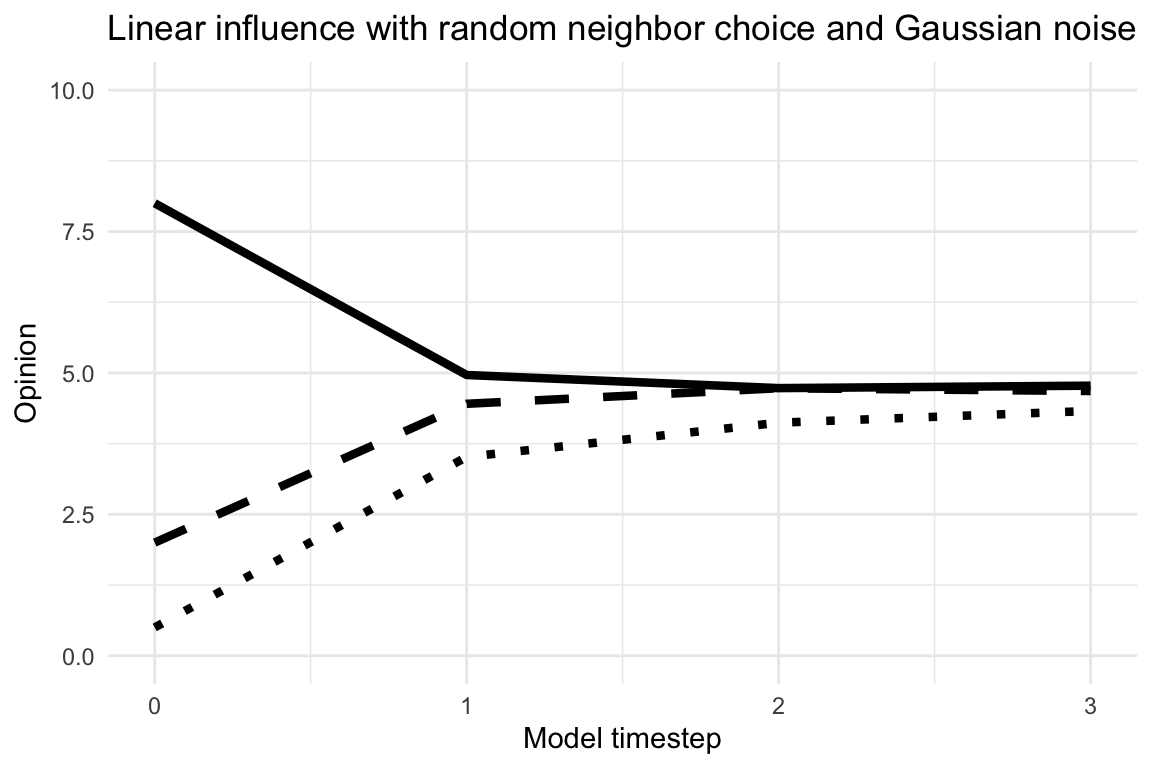
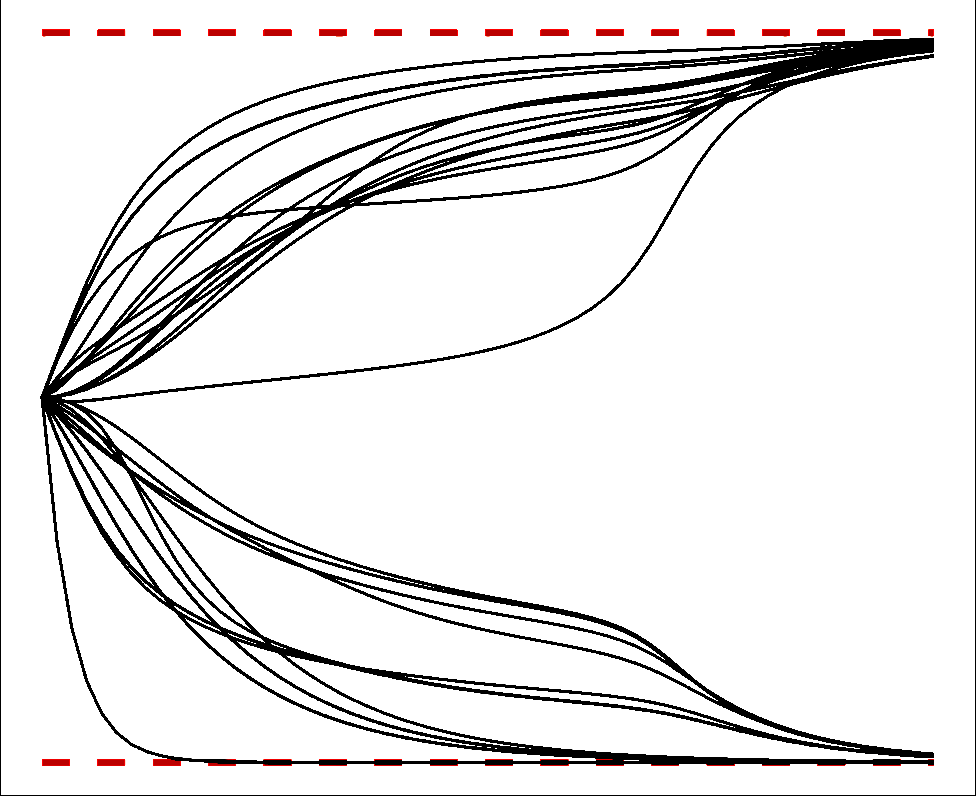
Across a broad range of model choices, linear influence with \(\lambda > 0\) tends to produce consensus.
Many Kernels, Many Mechanisms
Linear
Compromise –> consensus
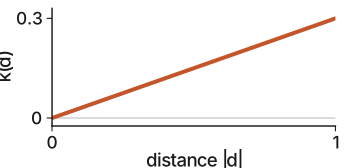
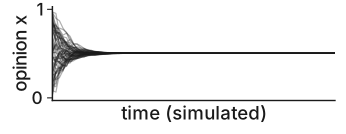
convergence
Empirical justification
- Vande Kerckhove et al. 2016
- Takács et al. 2016
- Clemm von Hohenberg et al. 2017
- Friedkin & Bullo 2017
- Friedkin et al. 2021
Repulsion
Compromise with similar opinions, repulsed by distant opinions
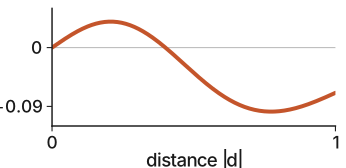
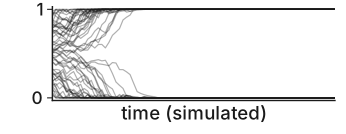
polarization
- Mazen & Leventhal 1972
- van Knippenberg et al. 1990
- Krizan & Baron 2007
- Liu & Srivastava 2015
Bounded confidence
Compromise with similar opinions, ignore distant opinions
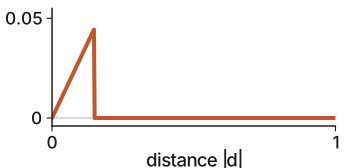
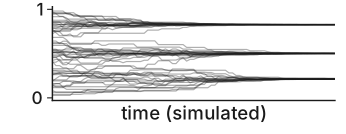
clusters
- Moussaïd et al. 2013
Or do it nonparametrically!
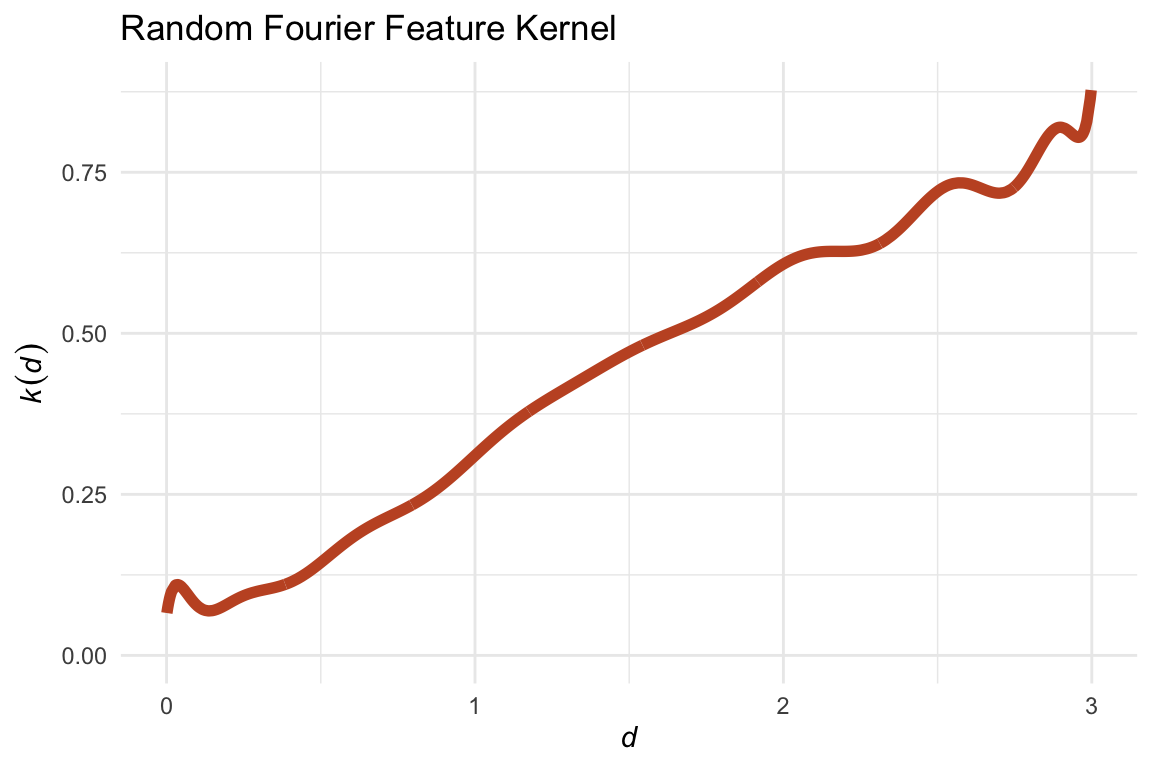
Rahimi + Recht (2007)
Slide h/t Will Thompson
How do we learn the kernel from data?
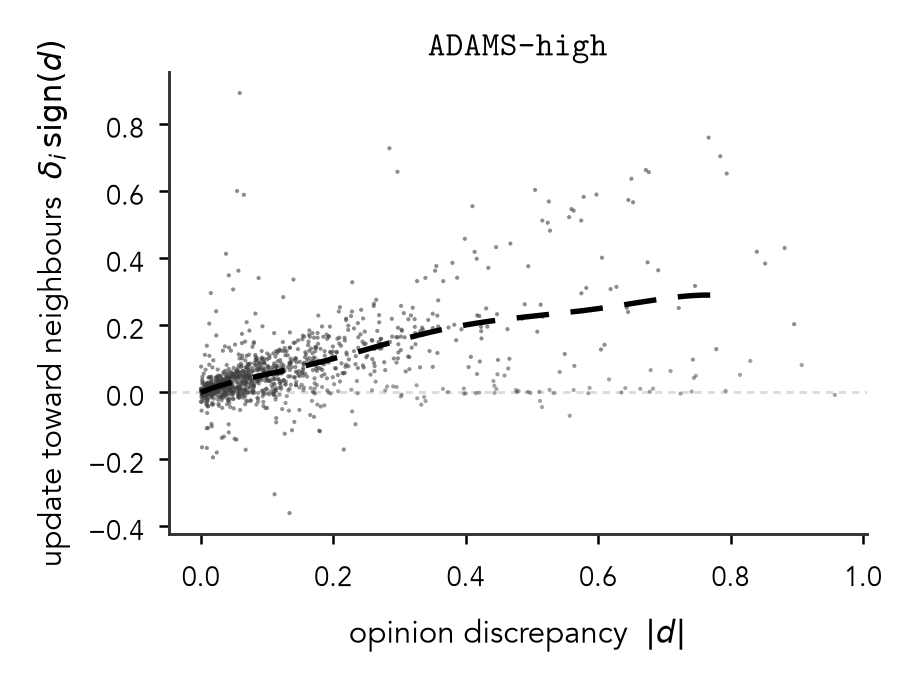
Easiest case: for each \(i\) there is only one neighbor \(j\).
\[ \begin{aligned} x_i(t+1) - x_i(t) &= k(|d|) + \text{noise}\\ d &= x_j(t) - x_i(t) \end{aligned} \]
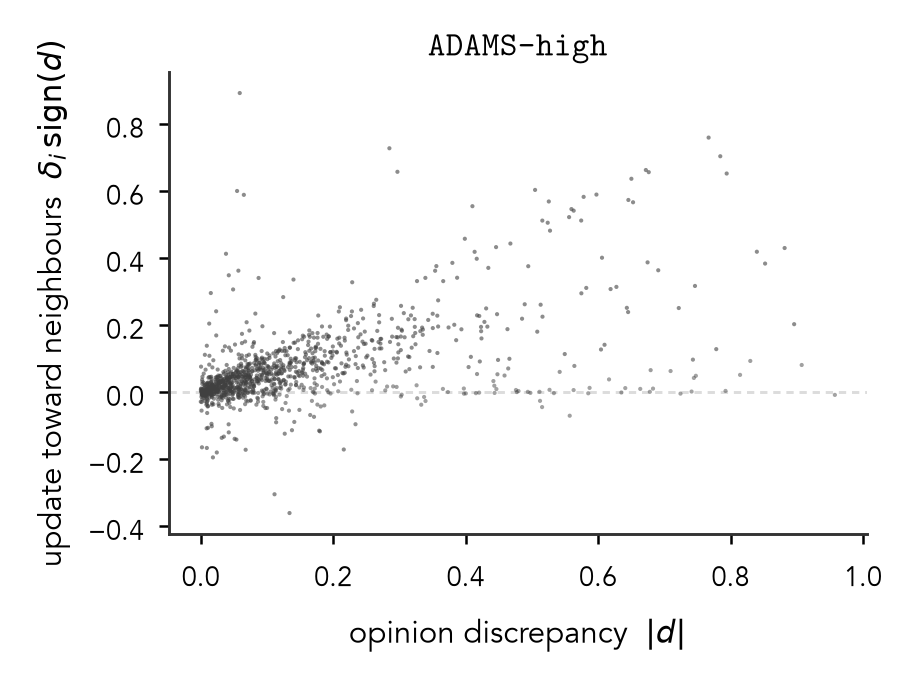
Adams, White, and Araujo (2022). “Person-to-person opinion dynamics: An empirical study using an online game.” PLoS ONE.
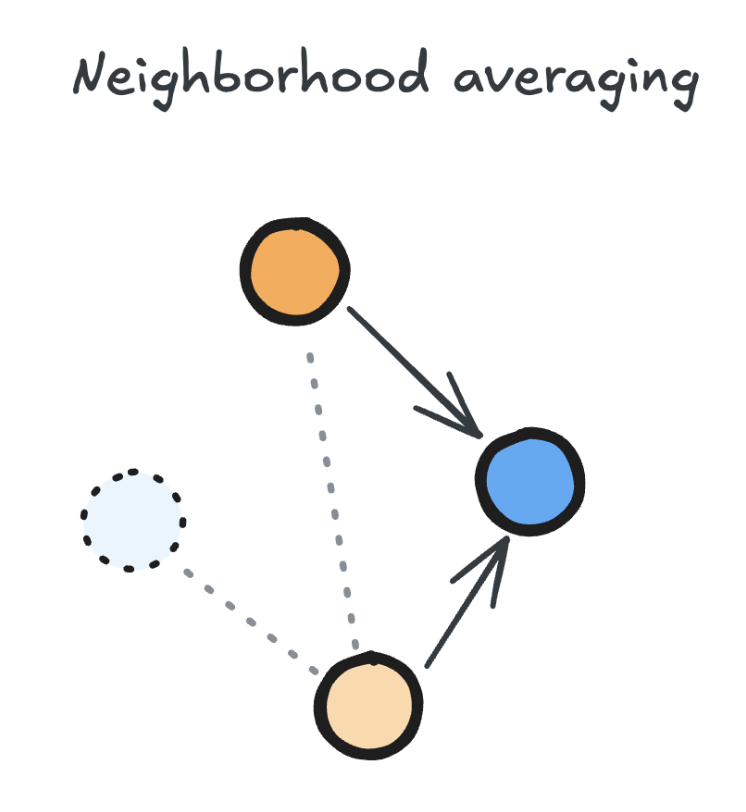
A more complex case: multiple neighbors
 \[
\begin{aligned}
\delta_i
&\approx \frac{1}{|\partial i|} \sum_{j \in \partial i} k(d_{ij}) \;?\\
\delta_i &\approx k\left(
\frac{1}{|\partial i|} \sum_{j \in \partial i} d_{ij}
\right) \;?
\end{aligned}
\]
\[
\begin{aligned}
\delta_i
&\approx \frac{1}{|\partial i|} \sum_{j \in \partial i} k(d_{ij}) \;?\\
\delta_i &\approx k\left(
\frac{1}{|\partial i|} \sum_{j \in \partial i} d_{ij}
\right) \;?
\end{aligned}
\]
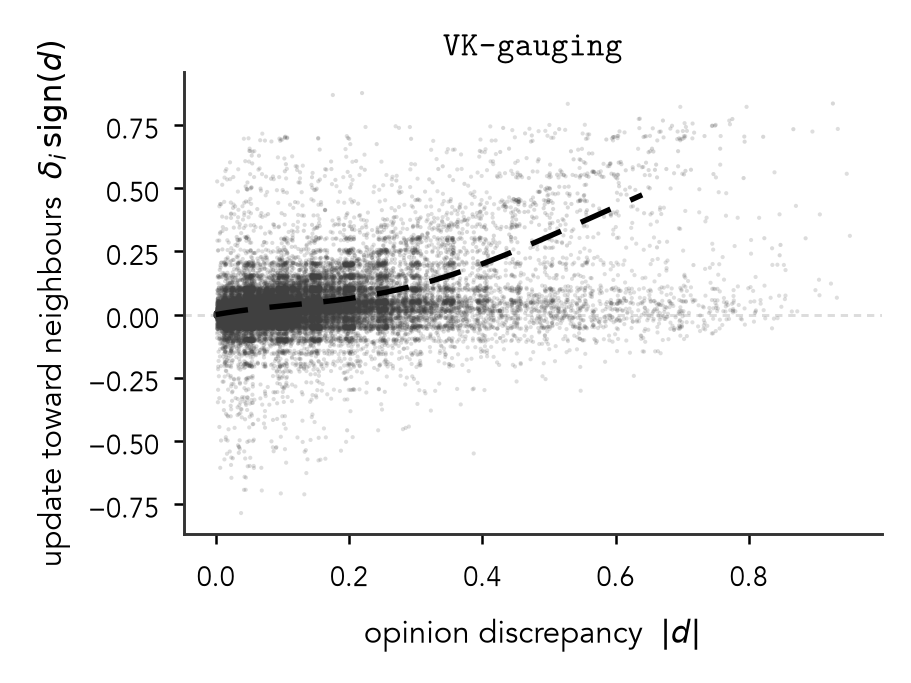
Vande Kerckhove + al. (2016). “Modelling Influence and Opinion Evolution in Online Collective Behaviour.” PLoS ONE.
Some common implicit assumptions
At each timestep each agent
always
interacts with
all
of their neighbors.
\[ \begin{aligned} \delta_i &\approx \frac{1}{|\partial i|} \sum_{j \in \partial i} k(d_{ij}) \;? \end{aligned} \]
Core idea for today: selective attention
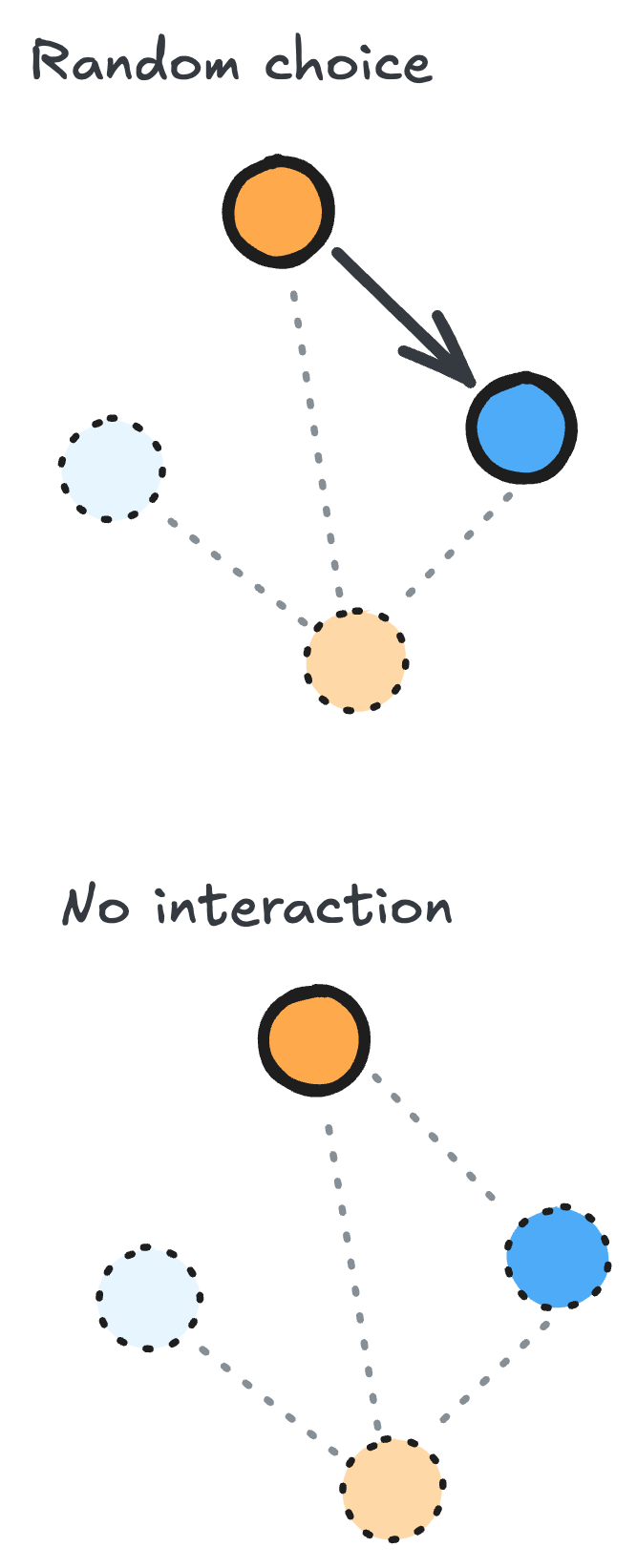
At each timestep each agent
always sometimes
interacts with
all some
of their neighbors.
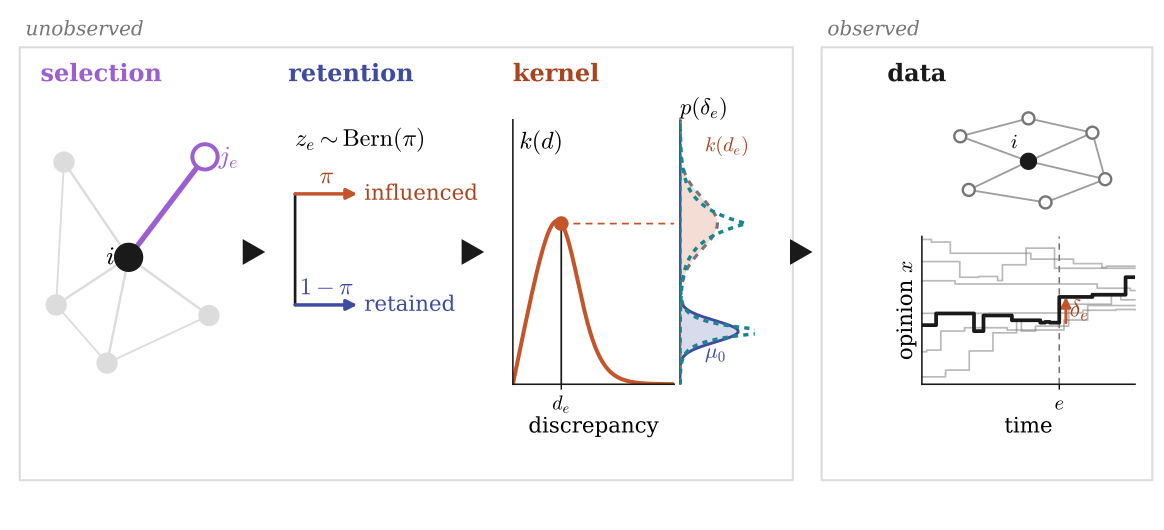
This is complex because we typically don’t observe these attentional mechanisms: we only observe the opinion changes that result.
The Team

|
Will Thompson |

|
Moyi Tian |

|
Linh Huynh |

|
Alex Wiedemann |

|
Vicki Modisette |
||

|
Phil Chodrow |

|
Heather Brooks |

Work initiated at the AMS Mathematics Research Community on Complex Social Systems (2023)!
Three Innovations
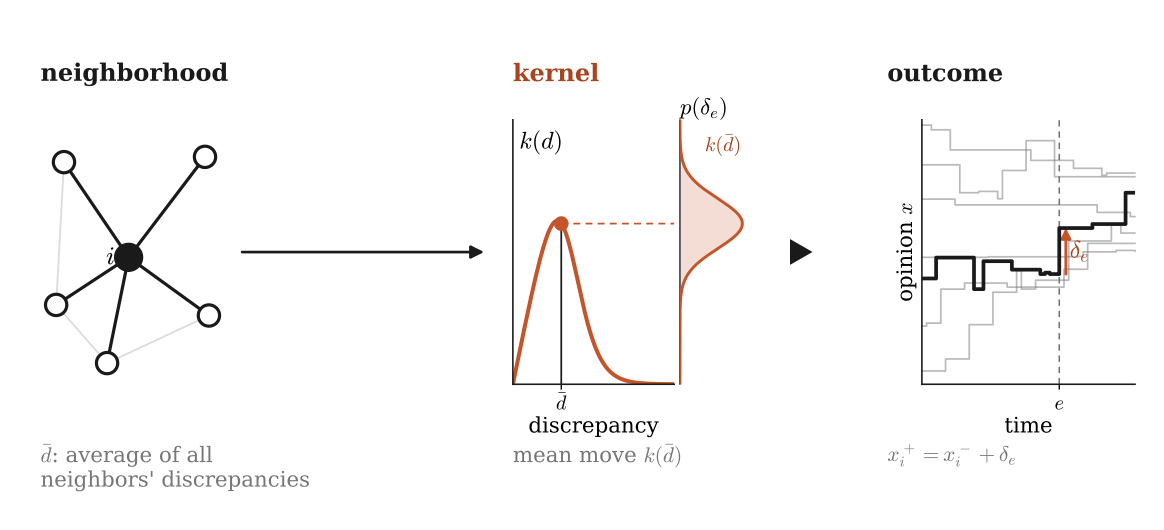
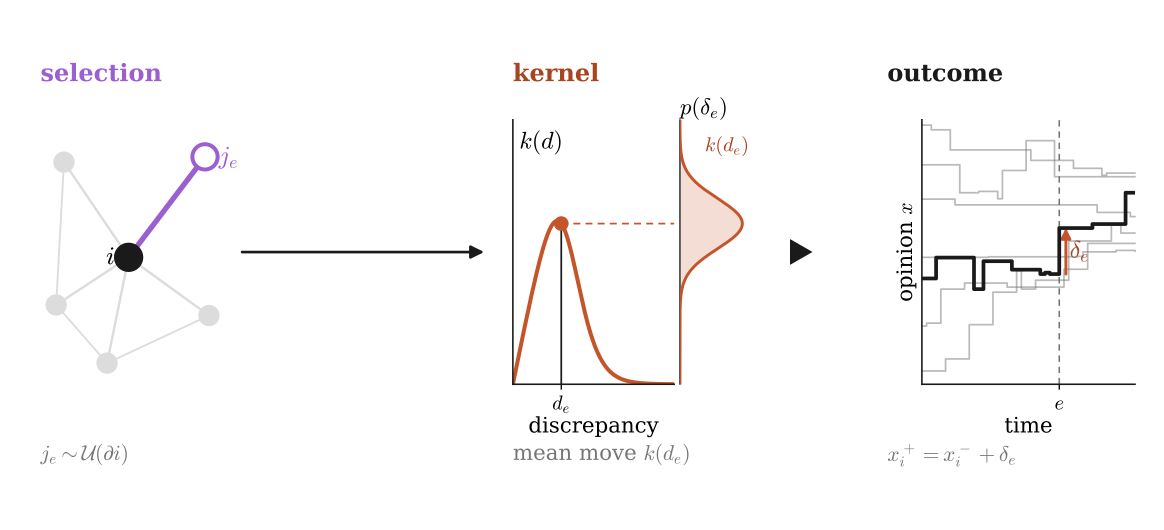
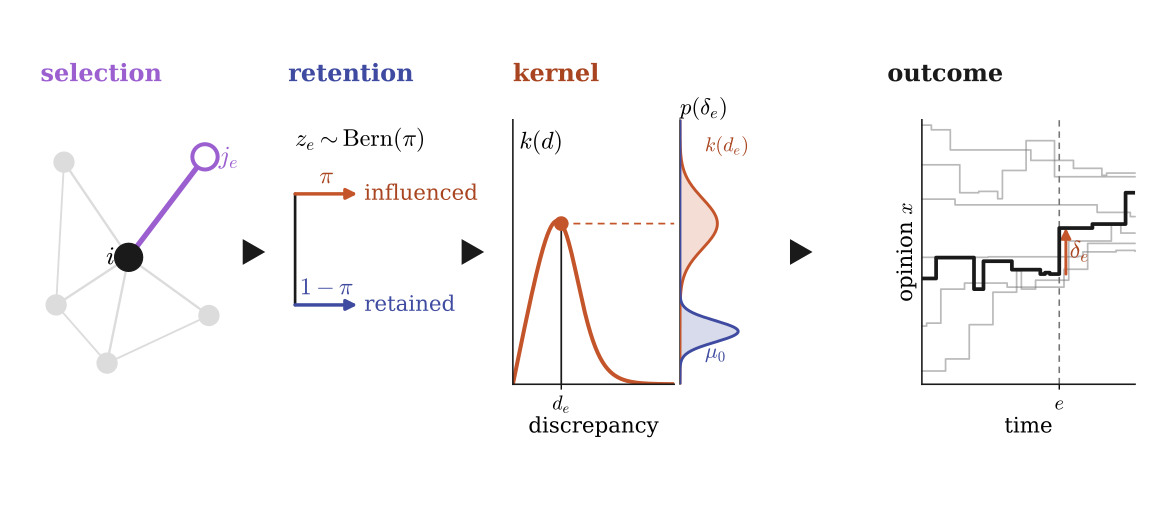
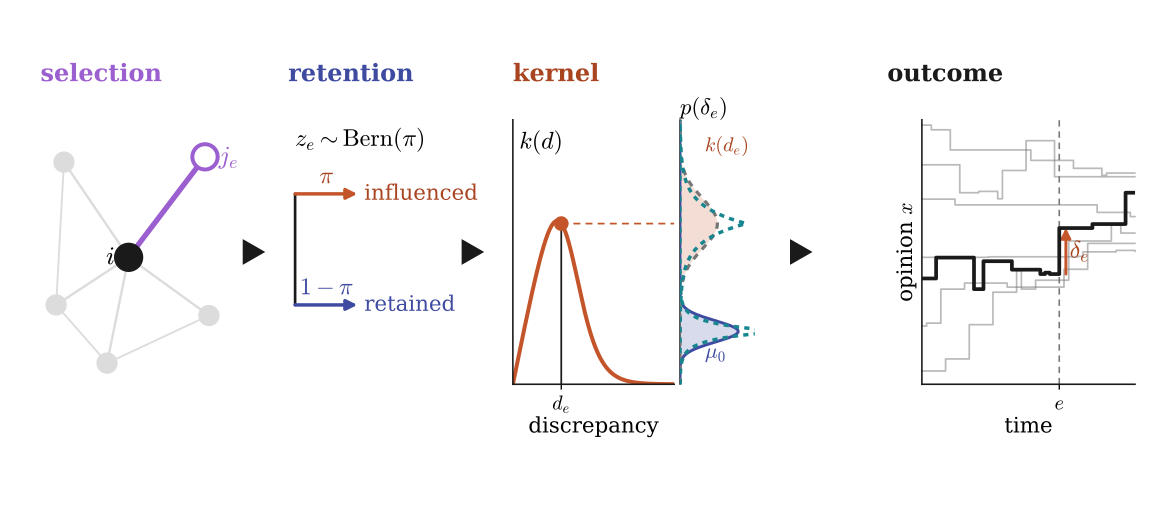
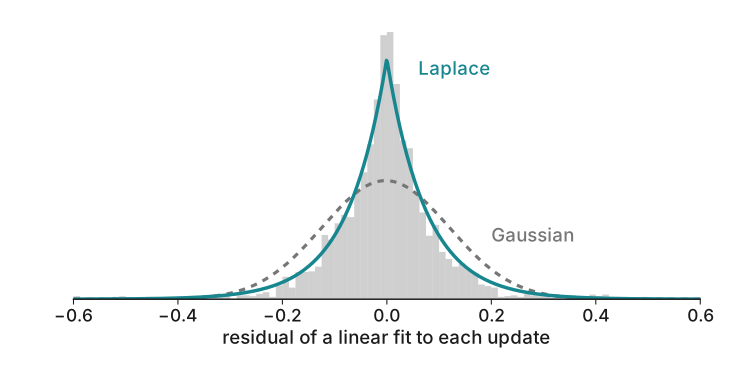
Adams 2022, n = 3,760 updates
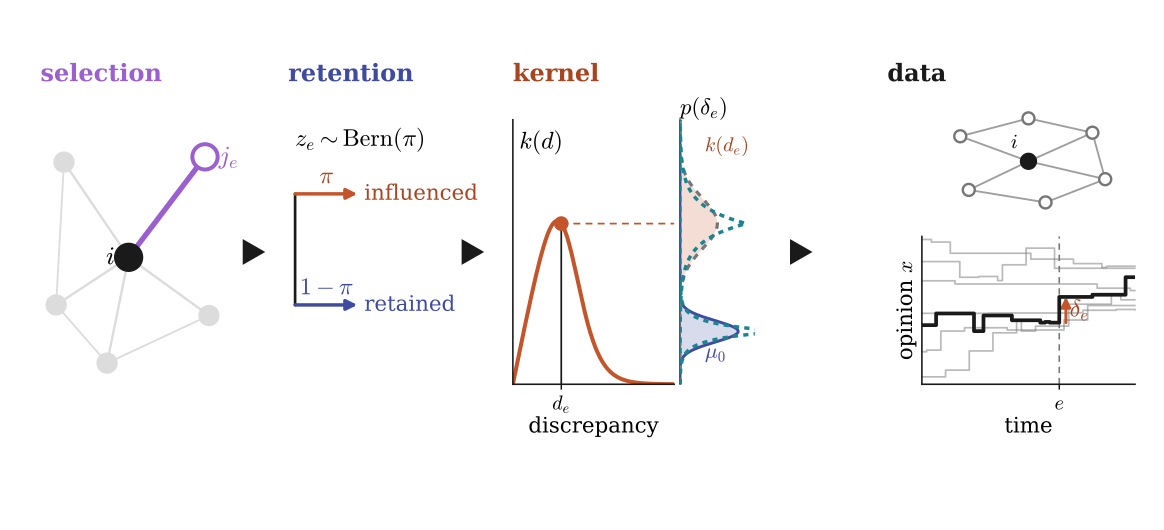
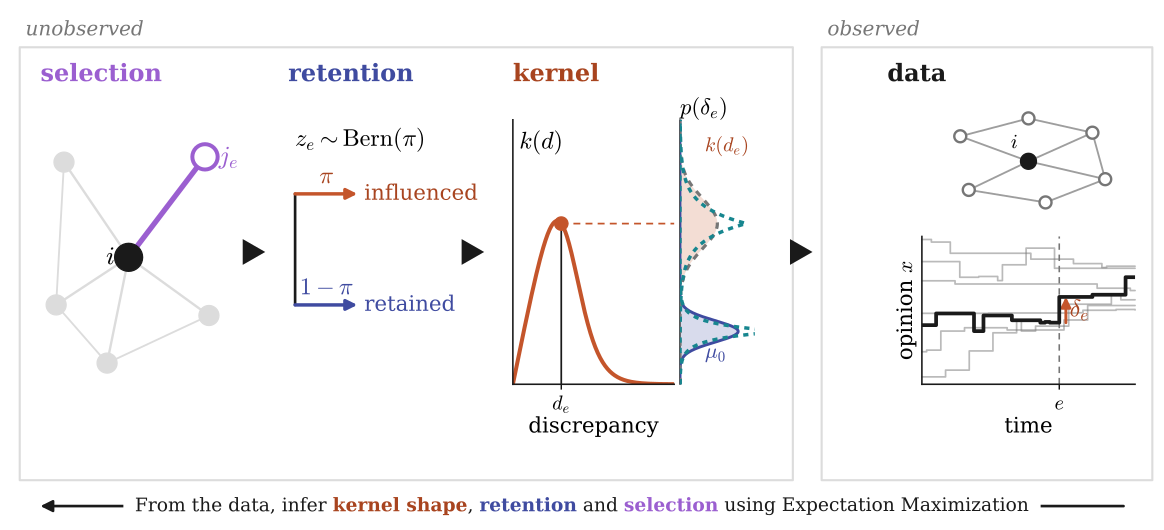
Standard: average over all neighbors
Novel: listen to one neighbor, chosen at random
Standard: you always update
Novel: sometimes you don’t
Standard: Gaussian noise (least-squares methods)
Problem: real updates often appear heavy tailed
Novel: select among noise models like Laplace or Gaussian
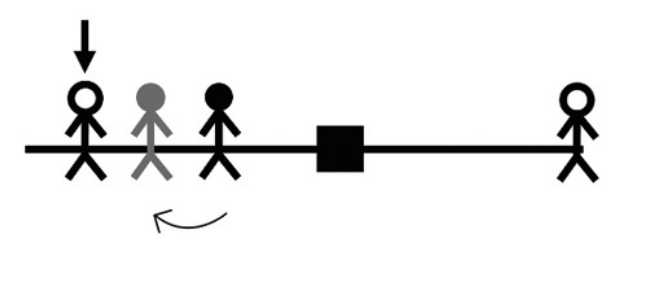
After Kozitsin (2021)
I can move toward a neighbor but away from the neighborhood average
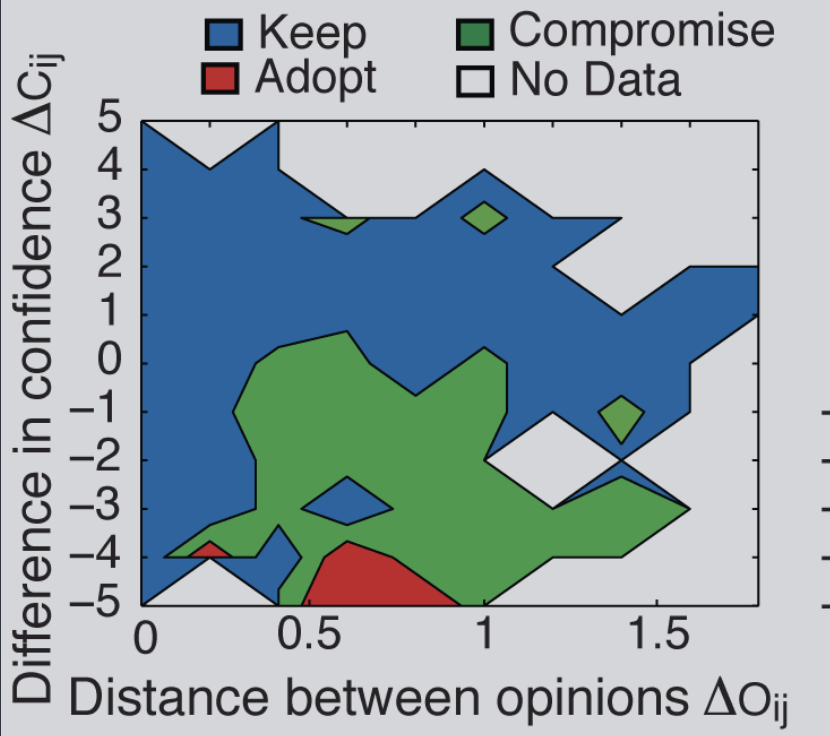
Moussaïd et al. (2013): far apart, people keep their opinion
→
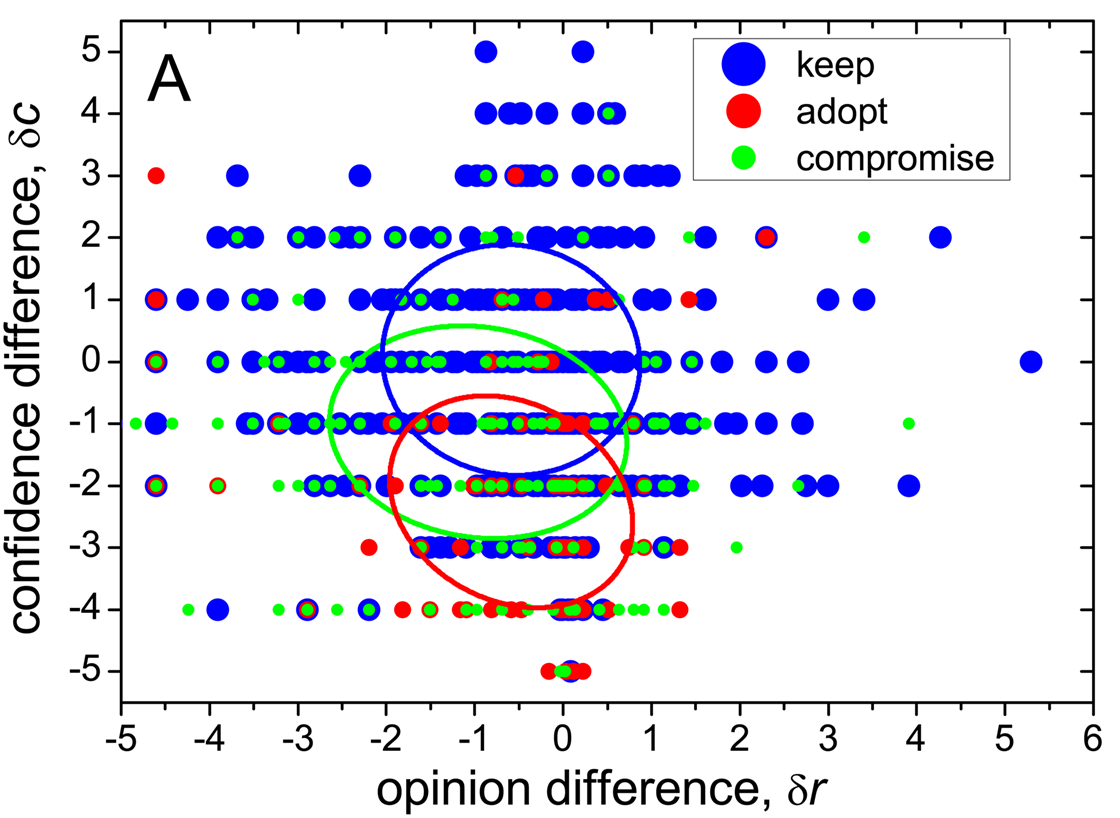
Chacoma & Zanette (2015): keeping happens at every distance
Ignore retention and the kernel looks like bounded confidence
Slide h/t Will Thompson
Learning the model
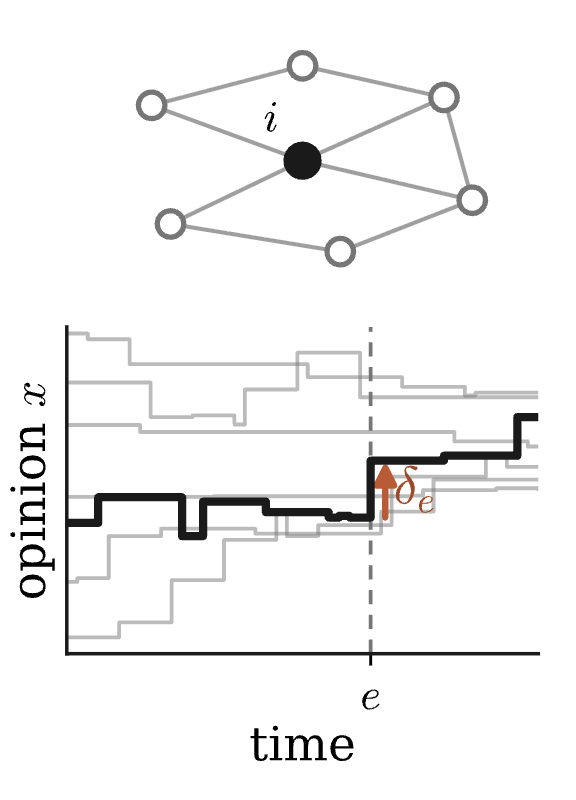
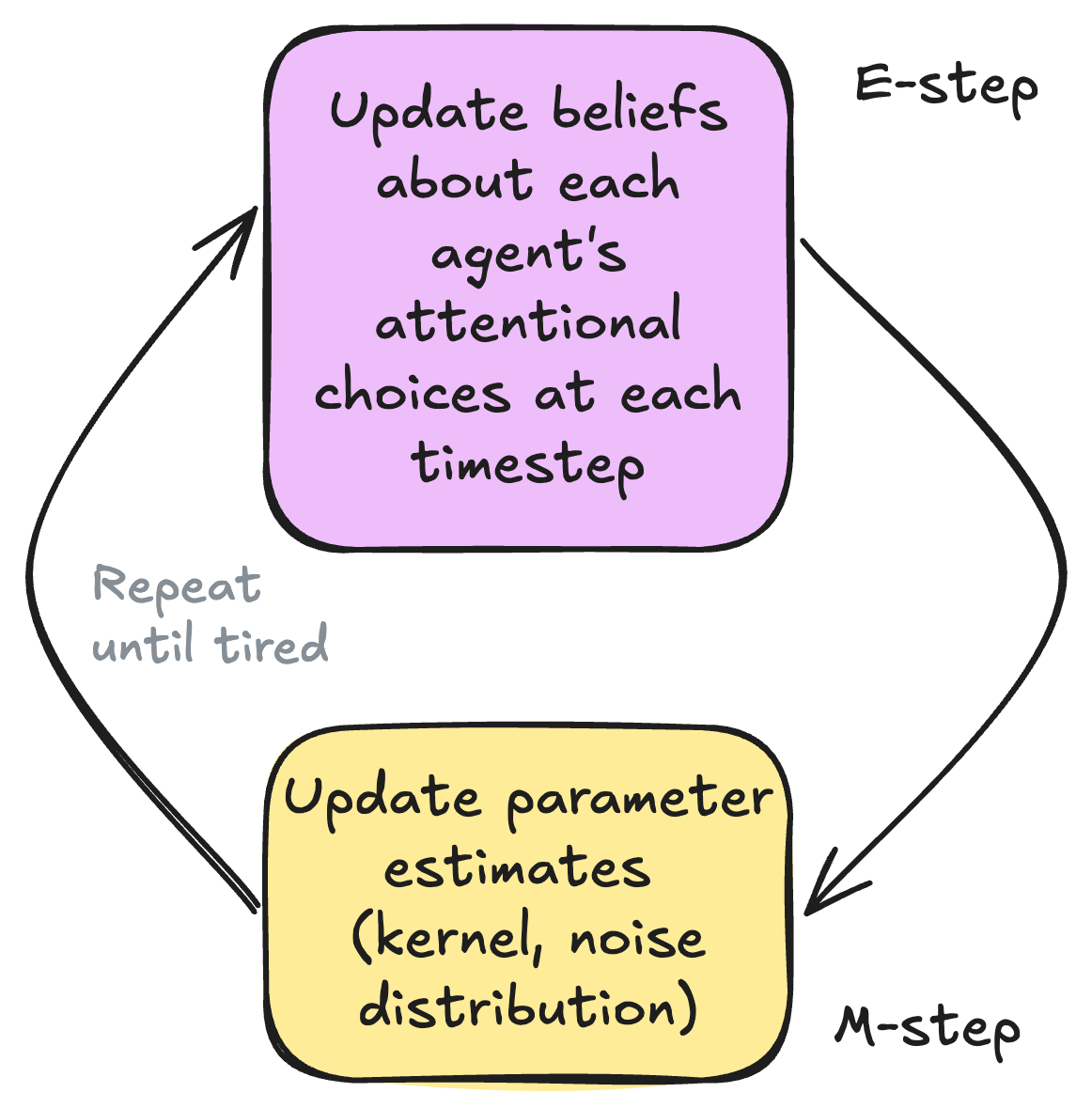
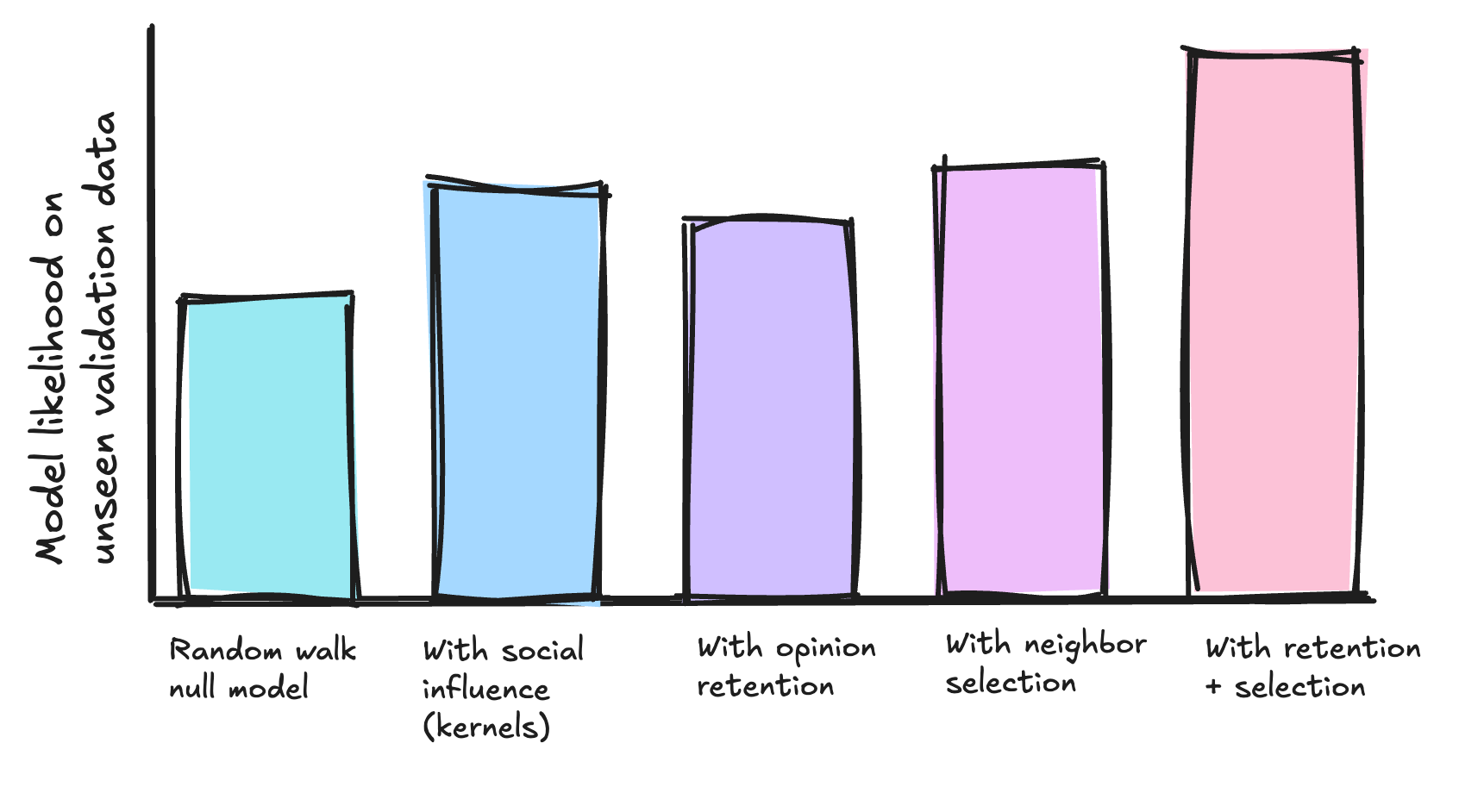
Our stochastic model defines a likelihood function over observed opinion trajectories, given an observation of a fixed network of possible interactions.
We learn the kernel parameters by maximizing this likelihood via the expectation-maximization (EM) algorithm (Dempster et al., 1977).
We select between competing models (kernels, mechanisms, etc.) by evaluating their predictive likelihoods on held-out validation data.
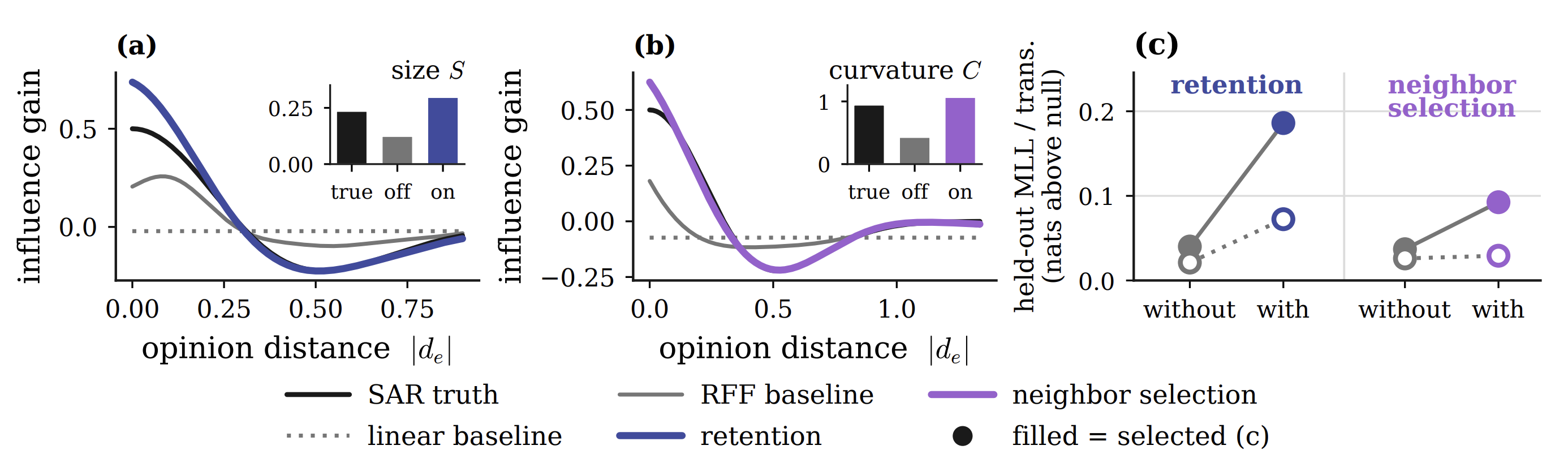
Omitting retention and neighbor selection alters learned kernels
But what about real people?
Controlled, single source
Controlled, network
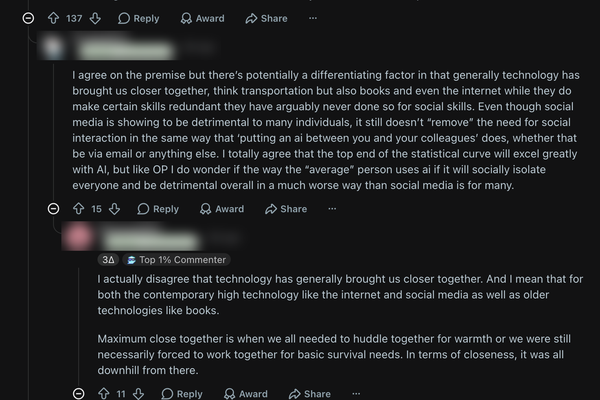
Social media
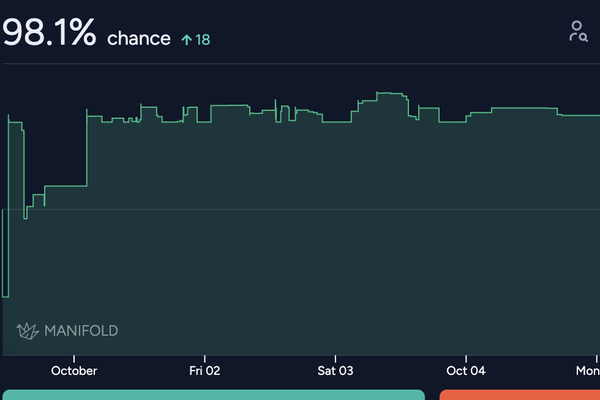
Prediction markets
Congress
ADAMS
lab, pairs · also TAKACS, BECKER
VK-counting
lab, groups of six · also VK-gauging
CMV
Reddit threads · also SPINOS, VKontakte
MARKETS
Manifold
SENATE
roll calls, cosponsorship · also HOUSE
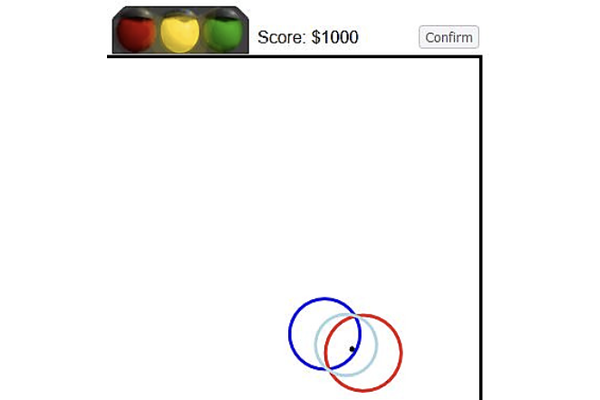
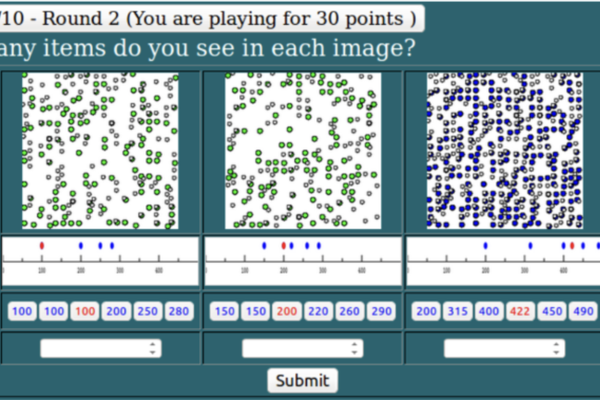
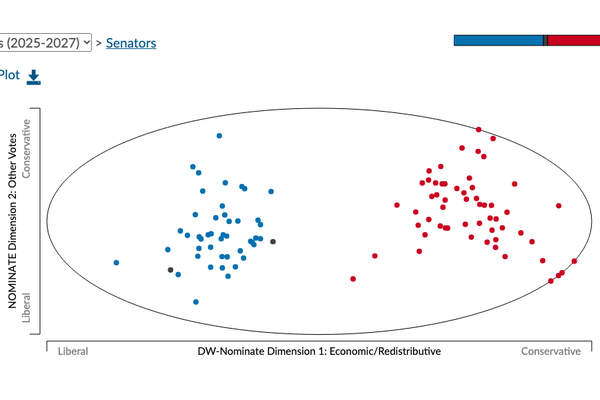
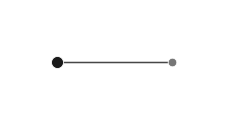
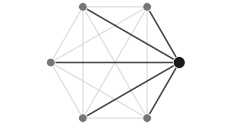
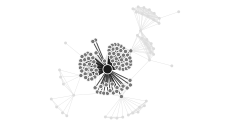
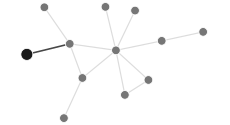
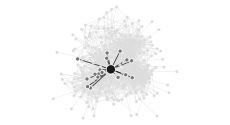
controlled lab experiments
the social wilds
Slide h/t Will Thompson
Impact of Attentional Mechanisms
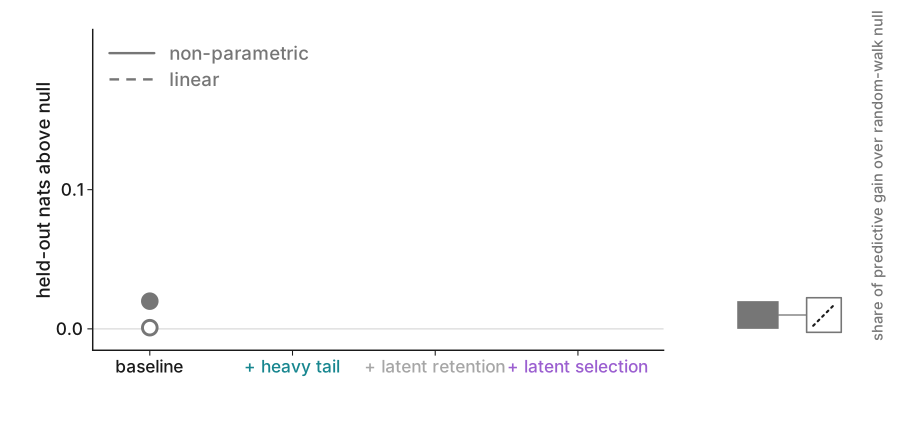
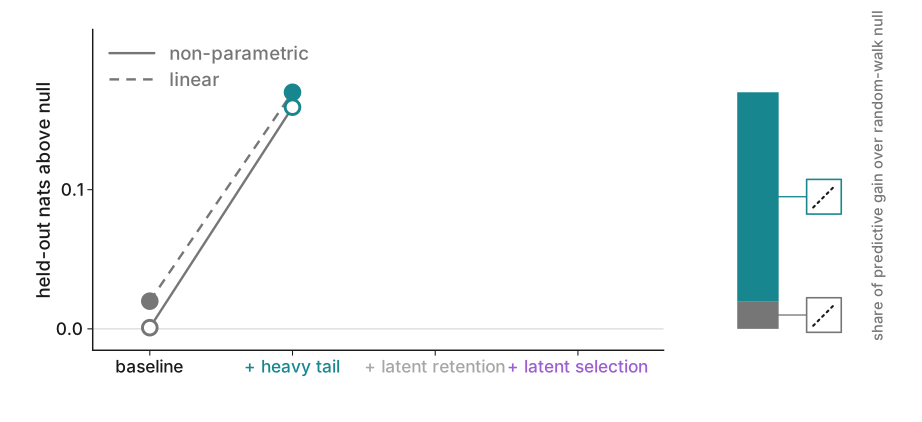
Example: Senate political opinions
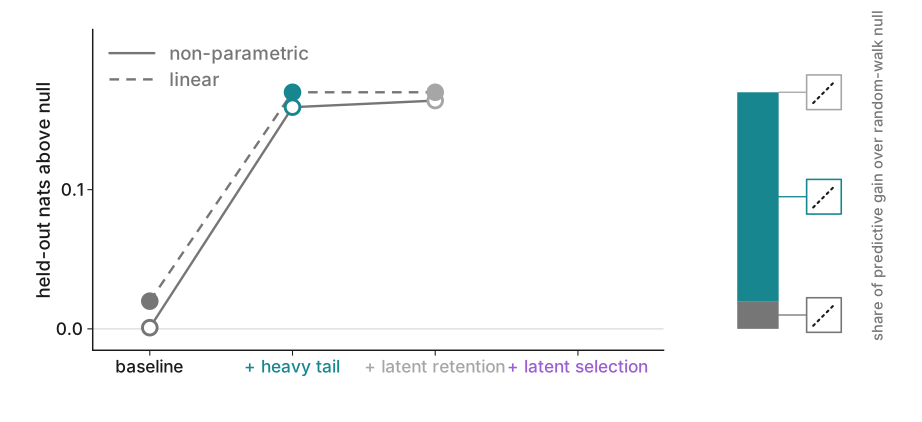
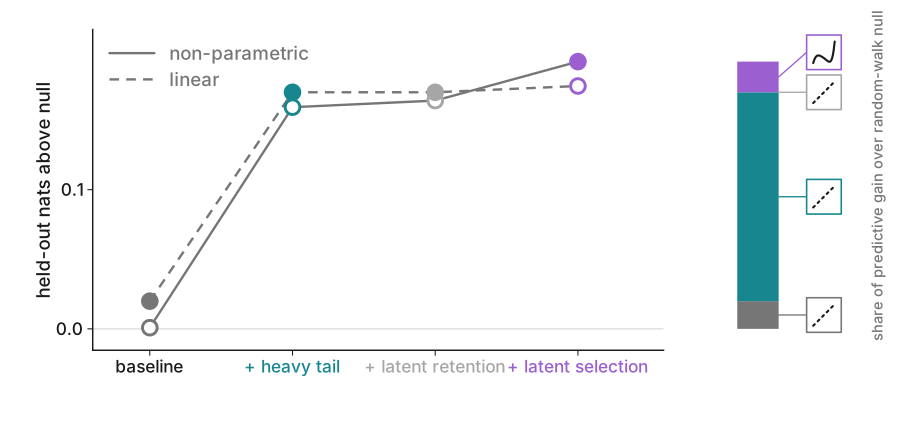
latent selection
latent retention
heavy tail
baseline
Adding attention changes our conclusion about the shape of the kernel!
Slide h/t Will Thompson
Latent mechanisms make models more predictive
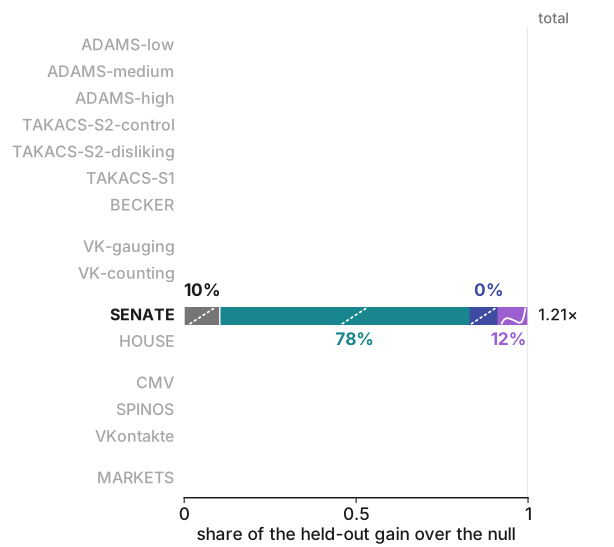
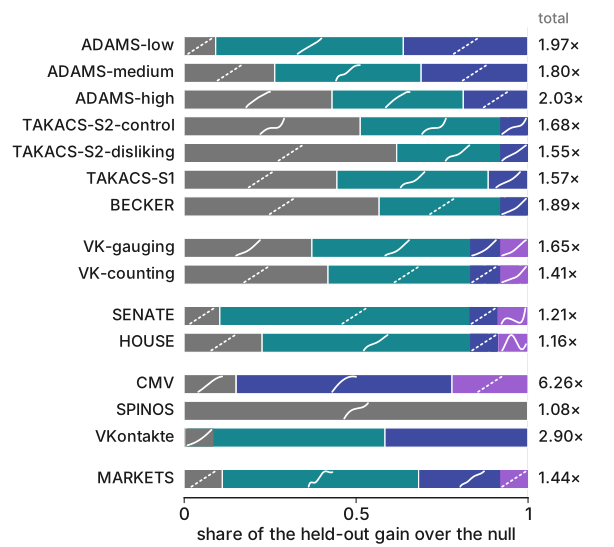
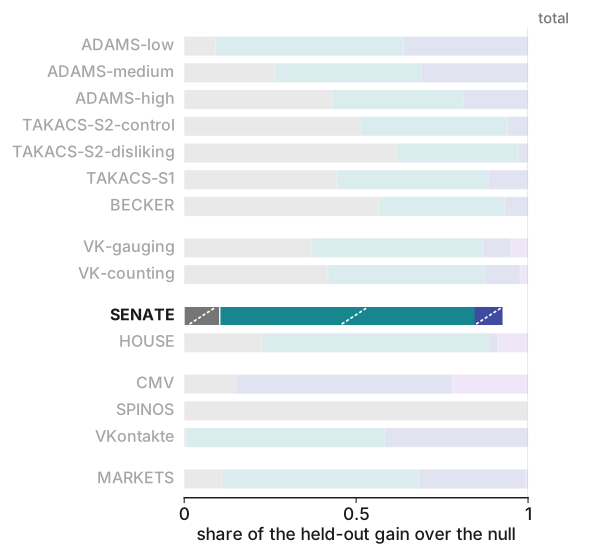
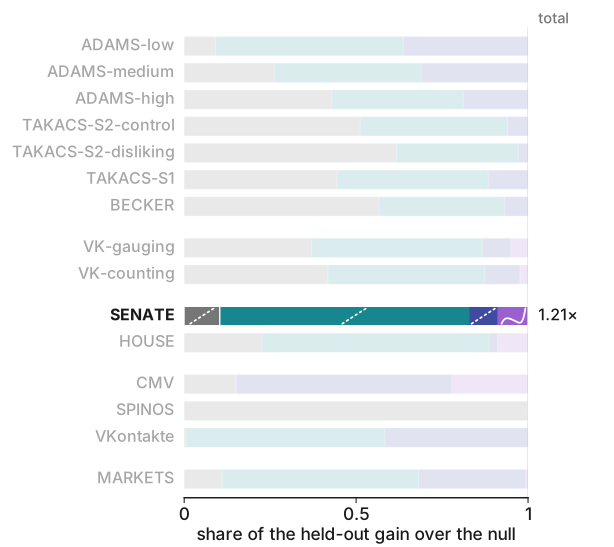
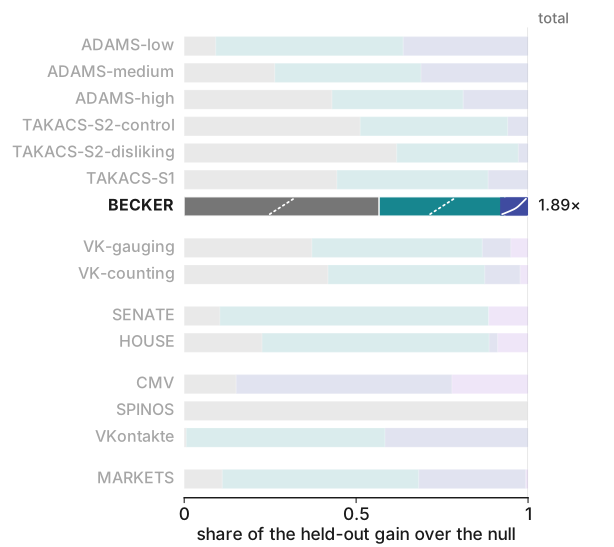
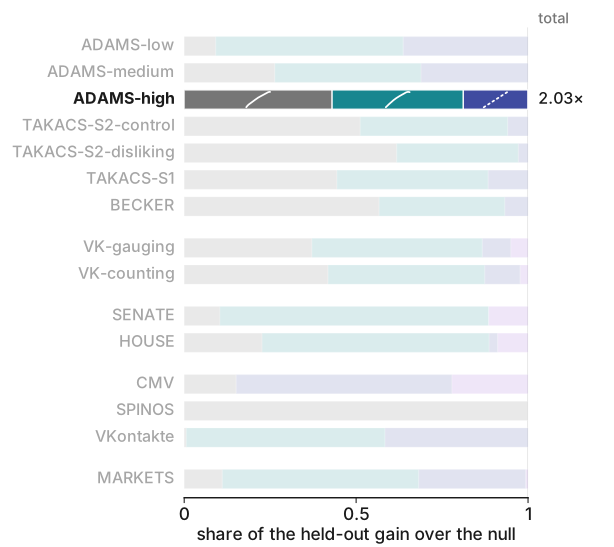
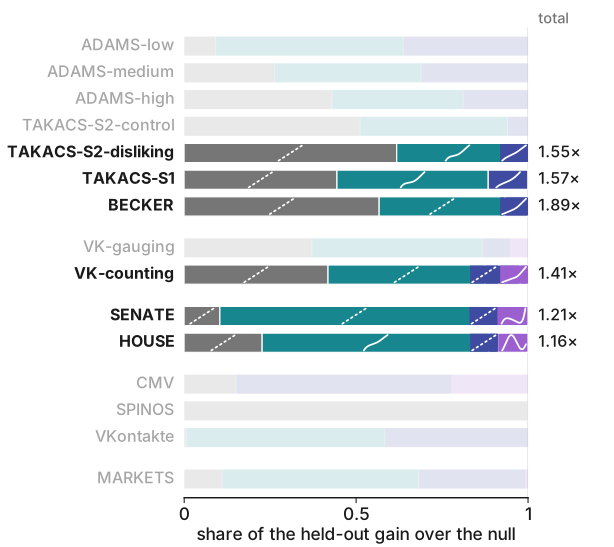
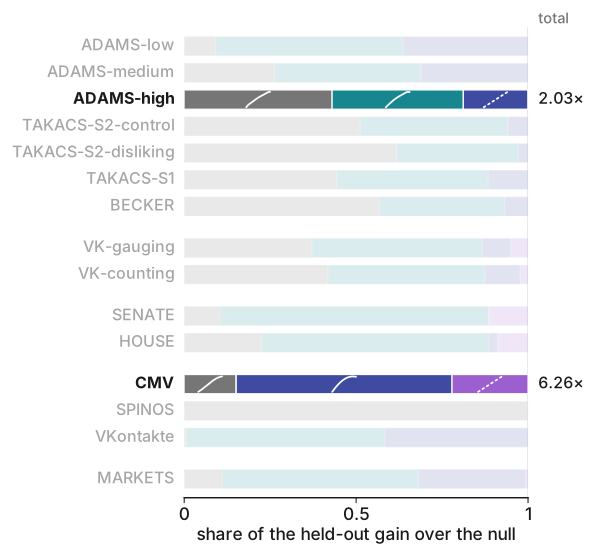
One bar per dataset: its held-out gain over a random-walk null, segmented into mechanisms by order of addition.
Influence kernel Presence of any social influence (rather than random drift)
Heavy tail Selected on 13/15 datasets; on average 28% more predictive power per update.
Latent retention Selected on 13/15 datasets; on average 21% more.
Latent selection Selected on 6/8 networked datasets; on average 8% more.
On average, heavy tails, retention and selection tend to matter more than the actual kernel shape!
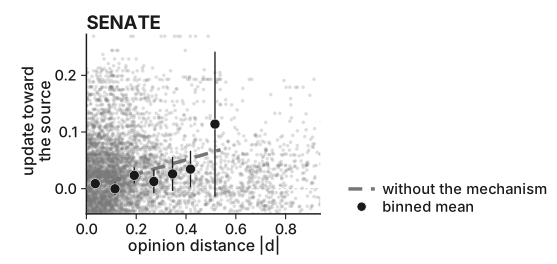
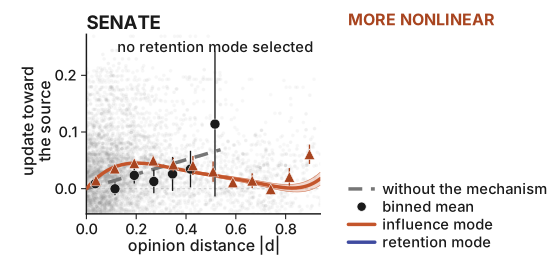
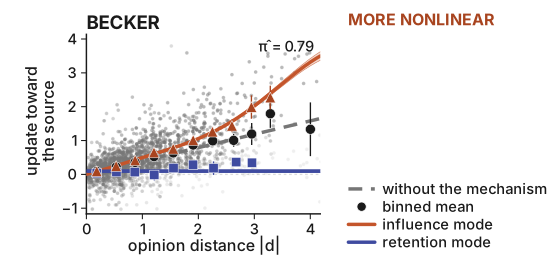
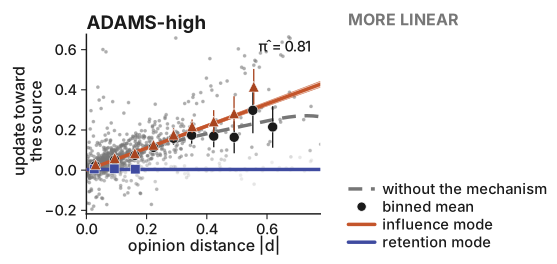
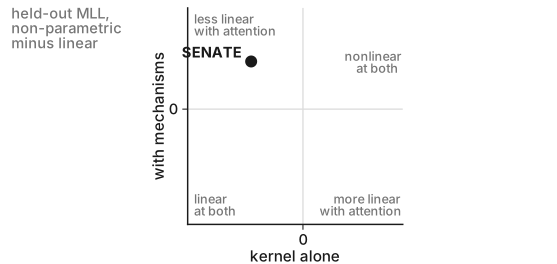
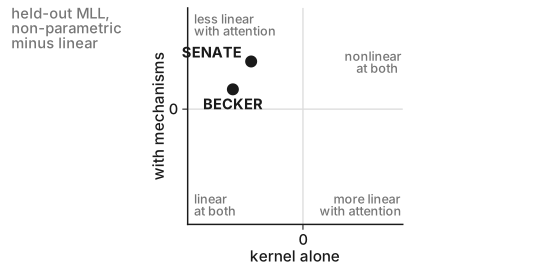
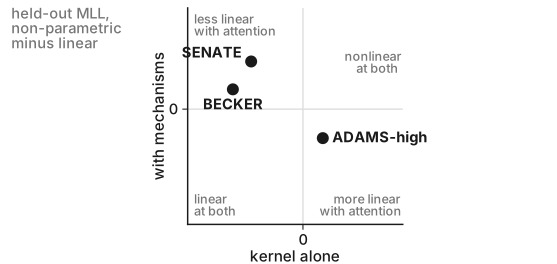
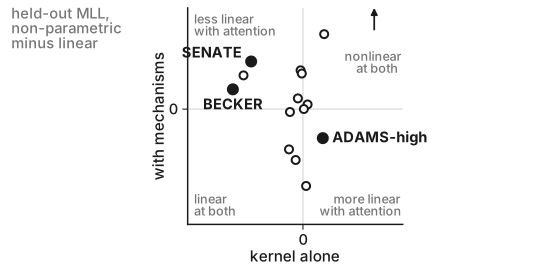
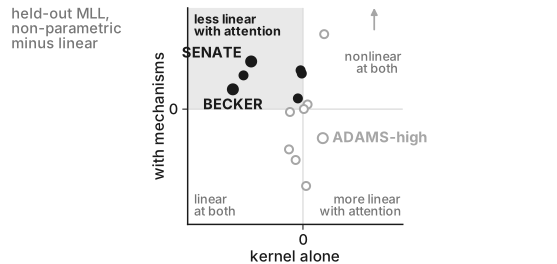
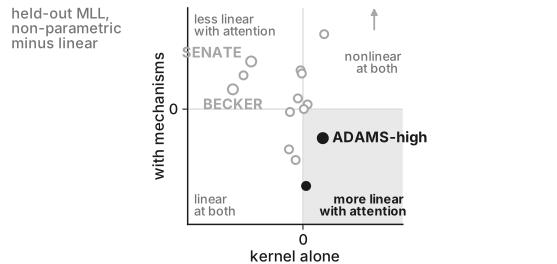
Adding attention makes
the model more predictive (on heldout data!) on 14/15 datasets
the inferred kernel less linear on 6/15 (upper left)
the inferred kernel more linear on 2/15 (lower right)
Slide h/t Will Thompson
Some Learnings
Potential exposure \(\neq\) interaction
In experiments and online settings, relationship networks (proximity, following, etc.) define possible rather than actual interactions.
Model latent mechanisms
We can model what we don’t observe directly: we just need to tie it statistically to things that we do observe.
We direct our attention!
Even simple representations of attention can improve prediction and alter our conclusions.
Thanks everyone!
|
|
Will Thompson |
|
Moyi Tian |
|
|
Linh Huynh |
|
Alex Wiedemann |
|
|
Vicki Modisette |
|
Heather Brooks |


Social Influence
Any change in an individual’s thoughts, feelings, or behaviors caused by other people, who may be actually present or whose presence is imagined, expected, or only implied.
- American Psychological Association (APA) Dictionary of Psychology, 2026
Models of social influence address: